Black foam for RV and marine applications provides specialized waterproofing, thermal insulation, and UV-resistant sealing for recreational vehicles, boats, yachts, and mobile homes.
This professional-grade RV spray foam insulation delivers reliable performance in demanding mobile environments where standard foam sealant products fail due to constant vibration, temperature extremes, and moisture exposure. Black foam withstands temperature ranges from -40°F to +176°F (-40°C to 80°C) while curing fully within 24 hours. The distinctive black formulation enhances UV resistance and blends seamlessly with dark underbelly panels and marine surfaces.
Vehicle owners improve thermal and acoustic insulation, marine enthusiasts create watertight seals, and the black color ensures repairs remain invisible and professional-looking.
What is Black Foam for RV and Marine Use?
Black foam for RV and marine use is a specialized polyurethane expanding foam formulated with black pigmentation to enhance UV resistance and provide visual integration with vehicle surfaces. Unlike standard foam sealant products that yellow and degrade under constant sun exposure, black spray foam maintains structural integrity and color stability.
Key characteristics of black foam for vehicles:
- Matches dark underbelly panels and marine gel coat finishes
- Absorbs UV radiation to protect polymer from photodegradation
- Expands to fill irregular cavities and gaps
- Creates airtight, waterproof barriers
- Helps reduce heat transfer when used in enclosed cavities
- Withstands vibration and thermal cycling
- Cures to semi-rigid, flexible consistency
The foam is designed for above-waterline applications with air access. For below-waterline marine seals and continuous submersion, use dedicated marine-grade sealants rated for water pressure.
Key Benefits of Black Foam in RV and Marine Environments
Black foam is preferred in RV and marine environments because it provides multiple performance benefits in mobile and outdoor conditions. The main advantages include:
- Thermal insulation in floors, walls, and cavities
- Noise and vibration reduction during travel
- Waterproof sealing around penetrations and joints
- UV resistance for exposed outdoor areas
These benefits make black foam suitable for both insulation and sealing in RV and marine applications.
Thermal and Acoustic Insulation for RVs
RV spray foam insulation helps reduce heat transfer and noise transmission by filling gaps, sealing air leaks, and creating an insulating barrier inside cavities. The foam helps reduce noise in several key RV areas:
-
Wheel wells: Helps reduce tire and road noise
-
Floor underbody: Helps reduce road vibration and structure-borne noise
-
Wall cavities: Helps reduce wind noise and external sound
-
Engine compartments: Helps reduce engine and generator noise entering the cabin
The vibration-dampening characteristics reduce rattles and squeaks during travel, which can help extend the lifespan of interior fixtures and cabinet hardware.
Waterproofing and Vibration Resistance
Black foam creates a waterproof barrier when properly applied and cured. The closed-cell structure helps resist water intrusion and moisture movement, protecting components from rot, corrosion, and electrical issues.
Mobile environments subject sealants to constant vibration and mechanical stress. Black foam cures to a semi-rigid, flexible consistency that maintains adhesion and flexibility in environments exposed to repeated vibration and movement, while rigid sealants may crack over time under similar conditions.
UV Resistance for Exposed Applications
Black foam sealant applications exposed to direct sunlight last significantly longer than standard yellow foam in UV-exposed environments. The black pigmentation helps protect the foam from UV degradation, which is one of the main causes of brittleness and surface deterioration in standard foam.
Black Foam vs Standard Foam: When to Choose Each
Black foam and standard foam have similar sealing and insulation properties, but they perform differently in outdoor and UV-exposed environments. The comparison below shows when black foam sealant is the better choice and when standard foam is sufficient for interior or protected applications.
|
Factor
|
Black Foam
|
Standard Foam
|
|
UV Exposure Durability
|
High
|
Low
|
|
Best Applications
|
Exposed underbelly, marine deck, rooftop
|
Interior walls, enclosed cavities
|
|
Color Match
|
Dark panels, marine surfaces
|
Light-colored interiors
|
|
Cost Premium
|
Slightly higher
|
Standard pricing
|
|
Thermal Insulation
|
Helps reduce heat transfer
|
Helps reduce heat transfer
|
|
Waterproofing
|
Similar performance
|
Similar performance
|
|
Vibration Resistance
|
Similar performance
|
Similar performance
|
Choose black foam when:
- Application remains visible and exposed to sunlight
- Matching dark RV underbelly panels or marine surfaces
- Installing rooftop penetrations on EPDM rubber roofing
- Working on premium vehicles where appearance matters
Choose standard foam when:
- Installing inside enclosed wall cavities
- Working in protected storage compartments
- Sealing interior penetrations with no UV exposure
- Budget constraints prioritize material costs
Critical RV Application Zones
Black foam is commonly used in several critical RV application zones where insulation, waterproofing, and vibration resistance are required. The most common areas include:
- RV underbody and floor cavities
- Slideout mechanism gaps and seals
- Roof penetrations and rooftop equipment
- Wall cavities and interior insulation areas
- Cable and plumbing penetrations
- Storage compartments and utility spaces
Each of these areas requires slightly different application methods to ensure proper sealing, insulation, and long-term durability.
1. Underbody and Floor Insulation
Purpose: Prevent road noise transmission and reduce heat transfer through thin aluminum floor panels.
Application method: Fill irregular cavities between floor joists in 2-3 inch layers. Focus on wheel wells to reduce tire roar and road spray noise.
Result: Continuous thermal barrier that stops drafts and moisture migration. Black color blends with standard underbelly panels.
In RV underbelly applications, black foam is typically used for sealing gaps, penetrations, and small cavities rather than replacing full insulation systems.
2. Slideout Mechanism Sealing
Purpose: Stop air and water leaks along slideout rooms where gaps develop between extended room and RV body.
Application method: Apply minimal expansion foam to slideout box perimeters in 50% fill. Focus on the top and sides where gravity pulls water.
Result: Flexible seals that accommodate slideout movement without binding or creating operational resistance.
3. Roof Penetration Waterproofing
Purpose: Prevent water infiltration around roof vents, air conditioners, solar panels, and antenna mounts.
Application method: Apply continuous beads around mounting bases. Allow 24-hour cure, trim flush, apply RV roof sealant over foam.
Result: Weatherproof seals that withstand high roof surface temperatures and blend with black EPDM roofing.
4. Wall Cavity Thermal Barriers
Purpose: Improve temperature stability in RVs with thin sidewalls providing minimal thermal resistance.
Application method: Inject through small holes drilled at cavity bottoms. Allow foam to rise and fill from bottom to top.
Result: Complete cavity fill eliminating air pockets, thermal bridges, and condensation zones that can lead to moisture problems.
5. Cable and Plumbing Penetrations
Purpose: Seal air leaks and water entry points while allowing future access for repairs.
Application method: Apply foam around penetration perimeters in 40–60% fill to allow expansion without displacing cables.
Result: Secure grip on cables and pipes without damaging insulation or causing electrical issues.
6. Storage Compartment Insulation
Purpose: Help protect plumbing from freezing and reduce temperature transfer to living spaces.
Application method: Apply to compartment ceilings, walls, and door frame gaps where air infiltration is highest.
Result: Insulated compartments that maintain more stable temperatures.
Marine and Boat Sealing Applications
Black foam is used in marine and boat sealing applications where waterproof sealing and vibration resistance are required in humid and high-moisture environments. In marine applications, foam sealant is typically used around penetrations, deck hardware, storage compartments, and engine areas to help prevent water intrusion and reduce vibration and noise.
Common marine application areas include:
- Hull and deck penetrations
- Through-deck fittings and hardware mounting points
- Storage compartments and access hatches
- Engine compartments and bulkheads
Hull Penetrations and Through-Deck Fittings
Through-hull applications:
- Plumbing and electrical conduit penetrations
- Instrumentation wire bundles through bulkheads
- Secondary waterproofing behind mechanical seals
- 1 inch foam collar around each penetration
Deck hardware mounting:
- Fills voids between deck surfaces and mounting bases
- Prevents water pooling under cleats, rails, and equipment pedestals
- Creates a custom-fit gasket when the hardware compresses foam
- Prevents deck delamination in fiberglass boats
Dry Storage and Engine Compartments
Storage compartment sealing helps keep water out of lockers, compartments, and access hatches. Apply foam around hatch perimeters to help reduce water intrusion from spray and rain. The black color matches common marine surfaces.
Engine compartment acoustic dampening helps reduce noise transmission when applied to bulkheads. Ensure coverage without blocking ventilation pathways required for engine cooling.
Saltwater Resistance and Marine Durability
Black foam withstands saltwater exposure after full curing, but continuous submersion requires a protective coating for an extended lifespan.
Marine environment performance:
|
Condition
|
Expected Performance
|
|
Saltwater Spray
|
Requires protective coating for long-term durability
|
|
High Humidity
|
Performs well after curing
|
|
Occasional Water Exposure
|
Suitable when protected
|
|
Continuous Submersion
|
Not recommended without coating
|
Protection protocol: Apply foam to cleaned and primed surfaces, allow full 24-hour cure, then coat exposed foam with marine-grade sealant or epoxy paint.
How to Apply Black Foam in RV and Marine Applications
Applying black foam correctly is important for proper adhesion, insulation performance, and long-term durability in RV and marine environments. The basic process includes surface preparation, temperature control, proper foam application, curing, and UV protection.
The general application process follows these steps:
- Prepare and clean the surface
- Check temperature and can condition
- Apply foam correctly and control expansion
- Allow proper curing time
- Protect exposed foam from UV
Following these steps helps ensure the foam sealant performs properly in mobile and outdoor environments.
Step 1: Surface Preparation
Clean surfaces thoroughly to remove contaminants that prevent adhesion:
- Road grime and oil residue: Use degreaser
- Old sealant: Scrape and remove completely
- Rust and corrosion: Wire brush to bare metal
- Dust and debris: Compressed air or vacuum
Surfaces must be dry, with exception of intentional light moisture application before foaming.
Step 2: Temperature Verification
Optimal conditions:
- Ambient temperature: +21°F to +86°F (-6°C to 30°C)
- Ideal can temperature: +68°F (+20°C)
- Avoid surface temperatures exceeding 100°F (38°C)
Cold weather preparation: Store foam canisters at room temperature for 24 hours before application. Warm cold canisters in a bucket of warm (not hot) water for 10-15 minutes if necessary.
Step 3: Can Preparation and Application
Preparation:
- Shake canister vigorously for 30-45 seconds to mix chemical components
- Attach straw applicator or screw onto foam gun securely
- Invert canister (valve down, bottom up) for application
Application technique:
|
Application Type
|
Fill Percentage
|
Technique
|
|
Floor Cavities
|
40-60%
|
Bottom to top, continuous beads
|
|
Slideout Seals
|
40-50%
|
Minimal expansion, perimeter only
|
|
Roof Penetrations
|
~50%
|
Continuous beads around mounting bases
|
|
Wall Cavities
|
~50%
|
Inject through bottom holes, rise to fill
|
|
Cable Penetrations
|
50-60%
|
Around perimeter, avoid cable displacement
|
Critical rules:
- Dispense foam slowly to control expansion
- Apply in continuous beads, not dots
- Work from the bottom upward on vertical surfaces
- Allow foam to expand and fill spaces naturally
Step 4: Curing and Trimming
Cure timeline:
|
Stage
|
Time
|
Action Allowed
|
|
Tack-Free
|
7-10 minutes
|
Visual inspection only
|
|
Trim-Ready
|
35-40 minutes
|
Cut excess with utility knife
|
|
Fully Cured
|
24 hours
|
Subject to stress, water, vehicle operation
|
Wait the full 24 hours before operating slideout mechanisms, exposing to water, or moving the vehicle to prevent compression damage and adhesion failure.
Step 5: UV Protection and Finishing
Apply paint or coating to foam exposed to direct sunlight:
- Use latex or acrylic paint compatible with foam
- Apply RV roof sealant over roof penetration foam
- Use marine-grade epoxy paint for marine environments
- Cover with trim pieces where possible
Longevity impact:
- Unprotected foam exposed to UV will degrade faster over time
- Protected foam can last for many years in outdoor environments
Conclusion
Black foam sealant provides reliable insulation, waterproofing, and vibration-resistant sealing for RV and marine applications where movement, moisture, and temperature changes can cause traditional sealants to fail. When applied correctly and protected from UV exposure, black foam creates durable seals in underbodies, roof penetrations, wall cavities, storage compartments, and marine fittings.
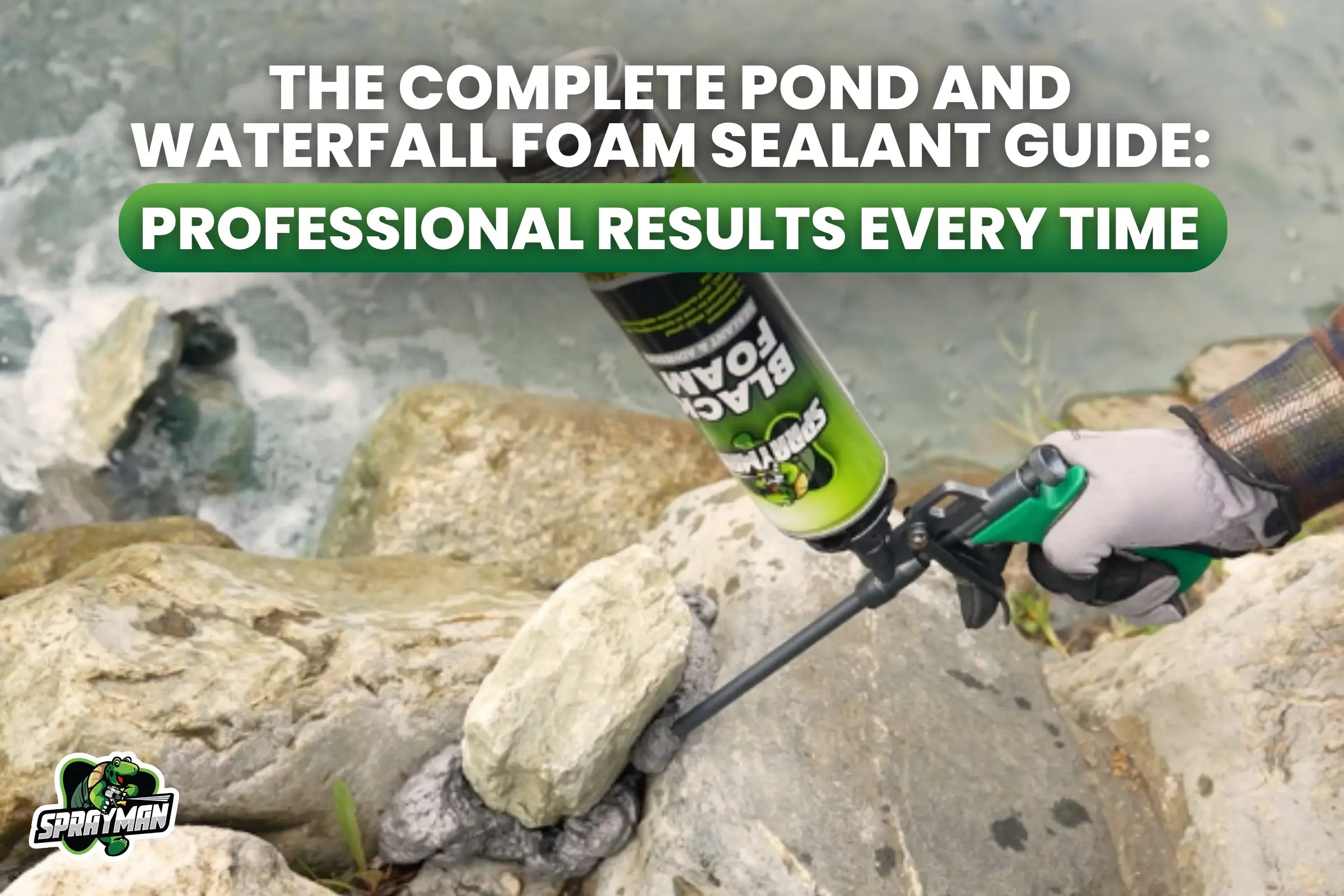
If you are working on RV insulation, boat sealing, landscaping, ponds, or other outdoor projects, choosing a professional-grade
black foam sealant designed for outdoor use will help ensure long-lasting results and easier installation.
Frequently Asked Questions
Should You Use Black Foam for Soundproofing in RVs?
Black foam can help reduce road noise, vibration, and engine noise when applied in wheel wells, under floors, and inside wall cavities. For higher-frequency noise, combine foam with dense sound barrier materials.
Can Black Foam Withstand Marine Environments?
Black foam withstands marine spray, humidity, and occasional saltwater exposure after full curing. For continuous saltwater exposure, apply a protective marine-grade coating after curing.
Is Black Foam Suitable for RV Slideout Sealing?
Yes. Black foam provides flexible sealing for RV slideout mechanisms when applied in minimal expansion formulations. Avoid over-application that could create binding.
Does Black Foam Require Painting in RV Applications?
While black foam has better UV resistance than standard foam, coating exposed foam extends its lifespan. Interior applications and enclosed cavities do not require painting.
What is the Difference Between Black Foam and Regular Foam for Vehicles?
Black foam offers improved UV resistance and color matching with dark vehicle surfaces, while both foams provide similar sealing and insulation performance. Use black foam for exposed applications and standard foam for enclosed interior cavities.





Leave a comment
This site is protected by hCaptcha and the hCaptcha Privacy Policy and Terms of Service apply.