Gaps and Cracks Foam Sealant: Complete Application Guide
By Sprayman Team
Air leaks through small gaps and cracks can waste 20-30% of your home's heating and cooling energy. A single unsealed penetration around a pipe, electrical outlet, or window frame creates continuous airflow that undermines even the best insulation, driving up utility bills and reducing comfort.
Gaps and cracks foam sealant solves this problem by expanding into irregular voids to create an airtight, moisture-resistant seal. Unlike caulk, which works best for linear joints, or full spray foam insulation designed for entire wall cavities, this targeted foam gap filler provides precise sealing for small-to-medium openings throughout your home.
This guide covers everything you need to know about applying gaps and cracks foam effectively, from proper gap sizing and surface preparation to cure times and common mistakes.
What Is Gaps and Cracks Foam Sealant?
Gaps and cracks foam sealant is a low-to-medium expansion polyurethane foam formulated specifically for targeted air sealing. Unlike full spray foam insulation systems that cover large surface areas, this foam gap filler is designed for:
Small wall and floor penetrations
Framing gaps and seams
Utility line openings
Rough openings around fixtures
Foundation and rim joist transitions
The gaps & cracks filler foam expands after application, filling irregular voids and bonding to wood, masonry, metal, and most plastics. Once cured, it forms a semi-rigid, closed-cell structure that blocks air infiltration, resists moisture, deters pests, and improves overall energy efficiency.
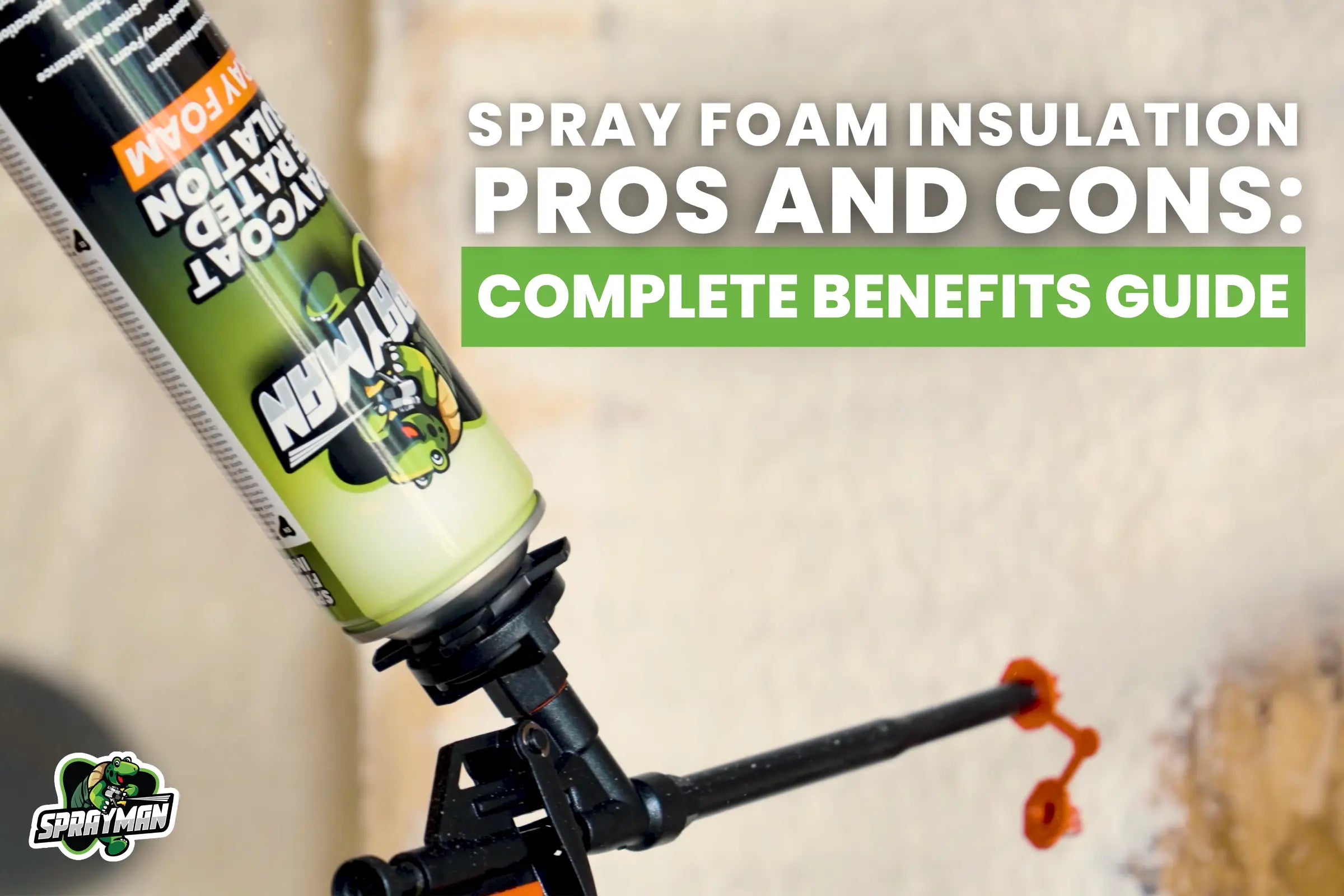
You can see how this product performs in real-world applications and discover its key features in action in the video below.
Common Uses for Gaps and Cracks Foam Sealant
Understanding the proper uses for gaps and cracks foam sealant ensures long-term performance and prevents misapplication.
Residential Air Sealing Applications
Utility and Service Penetrations:
Plumbing pipes passing through floors and walls
Electrical cable and conduit entry points
Low-voltage wiring and cable TV lines
Dryer vent and exhaust fan penetrations
Foundation and Framing Gaps:
Rim joist and sill plate air sealing
Foundation cracks above grade (non-structural)
Sheathing transitions and construction gaps
Gaps between dissimilar building materials
Small Voids and Cracks:
Baseboards and crown molding gaps
Interior wall penetrations for switches and outlets (in unconditioned spaces)
Small gaps around attic access hatches
Cracks in concrete or masonry (non-structural, above grade)
Spray Foam Insulation vs Gap Filler: What's the Difference?
Many homeowners confuse aerosol gap filler foam with professional spray foam insulation. While both are polyurethane-based, they serve distinctly different purposes.
Comparison Point
Gaps & Cracks Foam Sealant
Spray Foam Insulation
Primary Use
Sealing small gaps, cracks, and penetrations
Insulating entire walls, attics, and roofs
Best For
Targeted air sealing
Full thermal insulation systems
Application Type
DIY aerosol can (straw or foam gun)
Professional spray equipment
Material Type
Single-component polyurethane
Two-component polyurethane
How It Cures
Moisture-activated curing
Chemical reaction between two parts
Expansion Level
Low to medium expansion
High expansion
R-Value
Lower, primarily for air sealing
Higher (R-3.6 to R-8 per inch)
Structural Benefit
Minimal structural impact
Closed-cell adds rigidity
Cost Range
Low cost per can
Higher cost (professional installation)
Decision Guide:
Sealing isolated penetrations, cracks, or small voids → Use gap filler foam
Insulating entire wall cavities or large unfinished spaces → Use spray foam insulation
One of the most common questions about gap filler foam is determining the maximum effective gap size.
General Guidelines:
Gap Width
Application Approach
Notes
Up to ½ inch
Ideal range, single application
Best adhesion and expansion control
½ to 1 inch
Fill in layers if the depth exceeds 2 inches
Allow partial cure between layers
Over 1 inch
Use backer rod or structural filler first
Unsupported foam may collapse or over-expand
Most gaps and cracks foam sealants are engineered for openings up to 1 inch wide. Larger voids create excessive expansion pressure, waste product, and may cause structural stress on surrounding materials.
Pro Tip: For gaps approaching the upper limit, fill only 40-60% of the void initially. The foam will expand to fill the space, ensuring proper adhesion to both sides of the opening.
How to Apply Gaps and Cracks Foam Sealant (Step-by-Step)
Proper application technique determines whether your seal lasts decades or fails within months.
Step 1: Surface Preparation
Remove dust, loose debris, oil, and old deteriorated sealant
Ensure surfaces are structurally sound and dry to slightly damp
Clean contaminated areas with a degreaser if necessary
Clean surfaces improve adhesion, expansion control, and long-term bond strength.
Step 2: Should You Wet the Surface Before Using Expanding Foam?
Yes, lightly misting the surface improves curing performance.
Polyurethane foam cures through a moisture-activated chemical reaction. In dry climates or winter conditions, lightly dampen the substrate:
Accelerates curing time
Improves internal cell structure
Enhances adhesion to porous materials
Important: Mist lightly, avoid standing water or oversaturation, which can cause foam collapse or poor expansion.
Step 3: Foam Application Technique
Shake the can vigorously for 20-40 seconds to mix components
Attach applicator (straw for small jobs, gun for larger projects)
Insert the nozzle into the gap at the deepest point
Fill 40-60% of void volume, resist the urge to overfill
Move steadily along the gap without stopping
Allow natural expansion foam to continue growing for several minutes
Gun Foam vs Straw Applicator: For precision work or multiple applications, use gun foam for adjustable flow control. For single-use spot repairs, straw applicators work well.
Step 4: Curing and Trimming Timeline
Understanding cure stages prevents premature trimming that can damage the seal.
Stage
Time Range
Characteristics
Tack-Free
5-15 minutes
Surface dry but still expanding internally
Trim-Ready
30-60 minutes
Foam can be cut without tearing cells
Fully Cured
8-24 hours
Complete waterproofing and structural strength achieved
How long does it take for gaps and cracks foam to dry? Most formulations become tack-free within 10 minutes, but full cure requires 24 hours. Humidity accelerates curing; cold temperatures slow it significantly.
How long does it take for gaps and cracks foam to harden? The foam reaches trim-ready hardness in 30-60 minutes, allowing you to cut away excess with a utility knife for a finished appearance.
When to Not Use Foam Gap Filler
Knowing where not to use expanding foam is as important as knowing where to apply it.
Avoid Gaps and Cracks Foam In:
Fire-Rated Assemblies:
Electrical and plumbing penetrations in fire-rated walls require fire block foam specifically tested for flame spread resistance
Standard foam does not meet building code requirements for fire stopping
Movement and Expansion Joints:
Gaps are designed for thermal expansion and contraction
Building settling zones
Joints between different materials that move independently
Active Airflow Pathways:
HVAC supply or return vents
Combustion air intakes
Intentional ventilation openings
High-Heat Environments:
Within 3 inches of chimneys, flues, or wood stoves
Direct contact with hot water pipes (use high-temp rated products)
Structural Load-Bearing Applications:
Foam is an air sealant, not a structural adhesive
Do not use to support weight or replace proper fasteners
Continuous Water Submersion:
Below-grade foundation walls in constant ground contact
Areas with standing water or hydrostatic pressure
For specialized applications like landscape water features or outdoor installations requiring waterproofing, see our “Black Foam Sealant Applications Guide”.
Is Gaps and Cracks Foam Waterproof?
Yes, once fully cured, most closed-cell foam sealants are waterproof and resist moisture penetration.
Key Points:
Effective for intermittent moisture exposure (rain splash, occasional dampness)
Prevents water infiltration through sealed gaps and cracks
Maintains integrity in freeze-thaw cycles
Not designed for continuous submersion or high water pressure environments
UV exposure degrades unprotected foam, paint or coat outdoor applications
The closed-cell structure prevents water absorption, making gaps and cracks foam suitable for exterior penetrations, foundation sealing above grade, and weather-exposed areas when properly protected. While gaps and cracks foam provides excellent moisture resistance when properly applied, several common application errors can compromise long-term performance.
Common Application Mistakes (And How to Avoid Them)
1. Overfilling Gaps
Problem: Foam continues expanding after application, causing excess waste and potential surface damage.
Solution: Fill only 40-60% of the void initially. The foam expands 2-3x its dispensed volume.
2. Applying to Dirty or Oily Surfaces
Problem: Contaminants prevent proper adhesion, causing bond failure.
Solution: Clean thoroughly with a degreaser. Wire brush masonry surfaces to remove loose material.
3. Cutting Foam Too Early
Problem: Trimming before full tack-free cure tears internal cells and weakens the structure.
Solution: Wait at least 30-60 minutes before trimming. Test a small area first.
4. Blocking Intentional Ventilation
Problem: Sealing soffit vents, combustion air intakes, or designed airflow paths creates safety hazards.
Solution: Identify intentional openings before starting. Mark them clearly to avoid accidental sealing.
5. Using Foam Where Caulk Is Better
Problem: Foam in thin finish joints creates messy, difficult-to-trim results.
Solution: Use caulk for gaps under ¼ inch or where a smooth finish appearance matters. Use foam for irregular voids needing insulation value.
Foam Sealant vs Caulk: Quick Decision Guide
Both foam sealant and caulk serve important sealing functions, but choosing the wrong product for your scenario leads to poor results. Use this decision matrix to select the right sealant:
Scenario
Use Foam Sealant
Use Caulk
Gap width over ¼ inch
✓
Irregular void requiring insulation
✓
Thin linear seam needing a smooth finish
✓
Joint with expected movement
✓
The hidden gap is not visible after completion
✓
Cosmetic finish on trim or molding
✓
Both products complement each other in comprehensive air sealing strategies. For detailed guidance on sealing around windows and doors where finish appearance matters, see our “How to Seal Windows and Doors with Spray Foam: DIY Guide”.
Environmental Considerations and Best Practices
UV Degradation Protection
Standard polyurethane foam breaks down under direct sunlight exposure. For outdoor applications:
Trim excess foam after full cure (24 hours)
Apply exterior-grade paint or protective coating
Inspect annually for cracking or deterioration
Temperature Application Limits
Ideal Range: 40°F to 85°F (5°C to 30°C) for most products. Some cold-weather formulations work down to 20-25°F (-6°C).
Cold temperatures reduce foam yield and slow expansion
Extreme heat can cause excessive expansion and cell collapse
Store cans at room temperature before use for consistent performance
Pest Deterrent Considerations
While standard gaps and cracks foam acts as a physical barrier, it is not chew-proof. For areas prone to rodent activity, consider these enhanced protection strategies:
Combine foam with steel wool or copper mesh reinforcement for added durability
Use specialized pest block foam sealant formulations with built-in deterrent additives
Inspect sealed areas annually for signs of gnawing or breach attempts
After curing, the gaps and cracks foam sealant requires minimal maintenance:
Annual Inspection Checklist:
Check exposed outdoor applications for UV cracking
Verify no gaps have reopened due to building settling
Reapply foam to areas showing deterioration
Inspect pest-prone areas for breach attempts
Properly applied foam in protected environments can last 10-20 years without replacement, making it one of the most cost-effective air sealing solutions available.
Conclusion
Gaps and cracks foam sealant plays a critical role in building envelope performance and energy efficiency. While it's not a replacement for full spray foam insulation systems, it's one of the most effective and affordable tools for targeted air sealing in residential and light commercial construction.
By understanding proper application techniques, gap size limitations, curing expectations, and when not to use foam gap filler, you can achieve durable, airtight results that reduce energy costs and improve comfort for years to come.
Ready to improve your home's energy efficiency through professional air sealing? Browse our complete selection of foam sealants, including low expansion options for precision work, fire-rated products for code compliance, and specialty formulations for outdoor applications.
Frequently Asked Questions
How do you apply gaps and cracks spray foam correctly?
To get the best results, start by shaking the can for at least 30 seconds to ensure the chemicals are properly mixed. After cleaning the area, insert the nozzle to the back of the opening and fill the space only about halfway (40-60%). This allows the polyurethane to expand naturally without creating a mess or wasting product.
How long does it take for gaps and cracks foam to harden and cure?
While the foam typically becomes tack-free in 5 to 15 minutes, it requires more time to reach structural hardness. You can usually trim or cut excess foam after 30-60 minutes. However, for a full chemical cure that ensures maximum insulation and water resistance, you should wait a full 24 hours.
What is the maximum gap size expanding foam can fill?
Standard gaps and cracks formulations are optimized for openings up to 1 inch wide. If you are dealing with a larger void, it is best to apply the foam in multiple layers or use a backer rod first. Filling an oversized gap in a single pass can lead to sagging or poor cell structure within the foam.
Where should you avoid using foam gap filler?
Expanding foam should never be used in fire-rated assemblies unless the product is specifically labeled as "Fire Block." Additionally, avoid applying it to moving joints (expansion joints), near high-heat sources like chimneys or flues, or in areas subject to constant water submersion. It is also important not to block intentional ventilation points like soffit vents.
Is it necessary to dampen the surface before application?
Yes, lightly misting the substrate with water is highly recommended. Because polyurethane foam is moisture-curing, a slightly damp surface speeds up the chemical reaction, improves the foam’s internal cell structure, and ensures much stronger adhesion to materials like brick or wood.
Can expanding foam be considered waterproof?
Once fully cured, the closed-cell structure of the foam acts as an effective moisture barrier against rain and humidity. However, it is not "waterproof" in the sense of being suitable for underwater use or high-pressure leaks. For outdoor use, it must be painted or coated to prevent UV rays from breaking down the material.
What's the difference between spray foam insulation and gap filler?
Gap filler foam targets small penetrations and voids using aerosol cans for DIY application. Spray foam insulation covers entire wall cavities using professional equipment for comprehensive thermal insulation. Use gap filler for targeted air sealing; use spray foam for large-area insulation projects.
Share
Found this helpful? Make Sprayman your go-to source on Google
If our content has been useful, you can tell Google to show more of it when you search. Click below, then check the box next to "Sprayman.co" on the page that opens. It takes about five seconds.




Leave a comment
This site is protected by hCaptcha and the hCaptcha Privacy Policy and Terms of Service apply.