
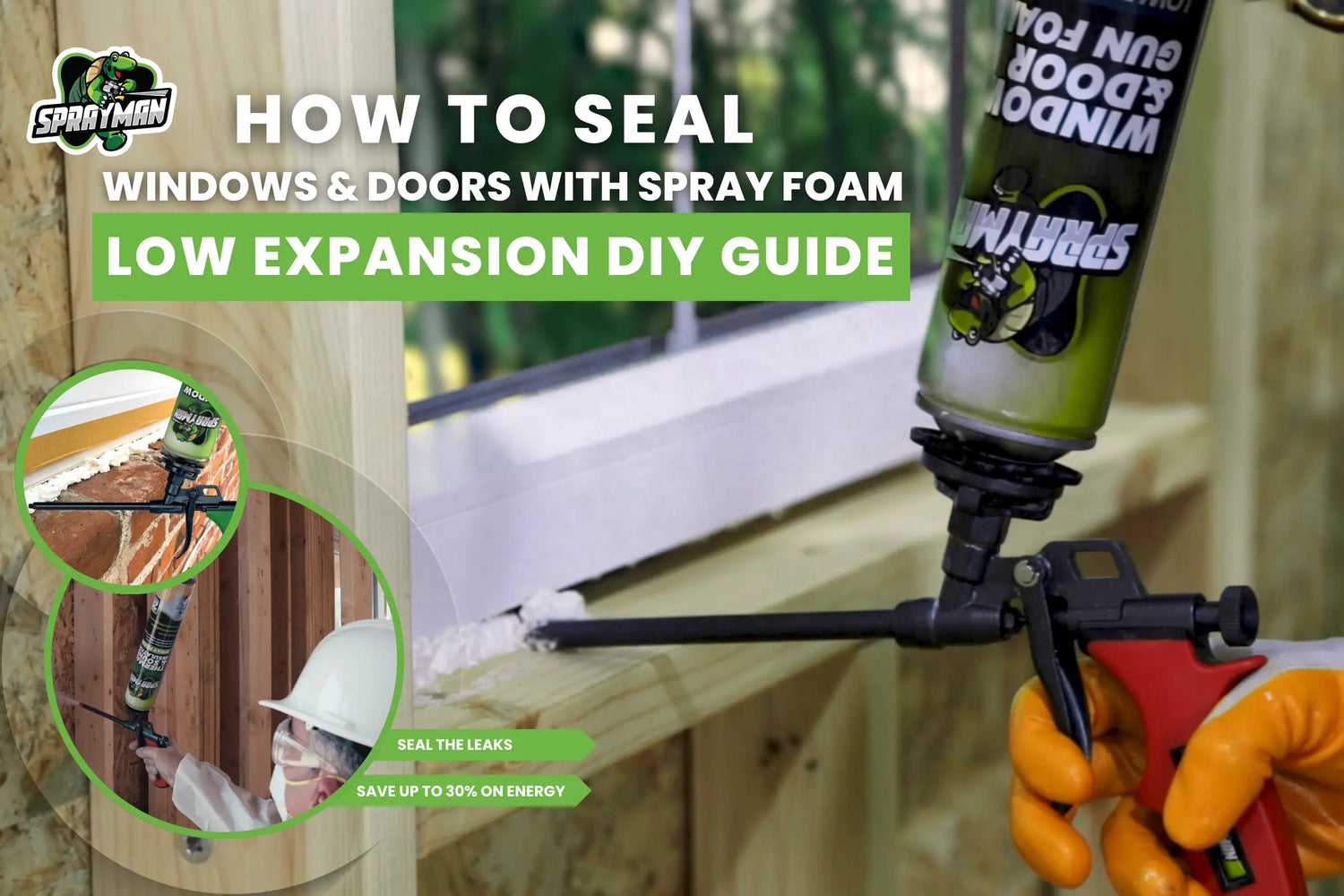
Unsealed windows and doors are the silent killers of home energy efficiency. Statistics show that air leaks can account for up to 20% to 30% of a home's heating and cooling costs. Whether it's a biting winter draft or humid summer heat, learning how to seal windows effectively is one of the highest-return DIY projects you can undertake.
In this guide, we’ll dive into the professional techniques of window sealing, focusing on when to use low expansion spray foam versus a traditional window sealer to achieve an airtight, professional-grade window seal.

Identifying Air Leaks: Where is Your Energy Going?
Before grabbing your window spray foam, you must locate the exact source of the intrusion. Air leaks often hide behind casings or under thresholds.
Common Signs of Air Leaks
- Audible Whistling: High-pitched sounds during windy days.
- Temperature Fluctuations: Noticeable cold spots near the window frame.
- Visual Gaps: Visible light peeking through door edges or cracked window sealant.
- Spiking Utility Bills: Unexplained increases in HVAC usage.
Expert Tip: Use a lighted incense stick or a damp hand. Move it slowly around the window perimeter; where the smoke wafts or your hand feels cold, you’ve found a leak that needs sealing.
The Professional Window Sealing Toolkit
Using the right window sealing tools prevents messy over-application and ensures the longevity of your insulation.
Essential Materials & Tools
- Low expanding foam for windows and doors: Essential for filling deep cavities without bowing the frames.
- High-Quality Window Sealant: For exterior perimeter joints and weatherproofing.
- Foam Application Gun: Offers much better control than standard straw nozzles.
- Utility Knife: For trimming excess cured window foam.
- Acetone or Foam Cleaner: For immediate cleanup of spills.

Choosing the Right Product: Foam vs. Sealant
One of the most common mistakes is using the wrong product for the job.
|
Product Type |
Best Use Case |
Key Benefit |
|
Window and Door Foam |
Large gaps, cavities behind trim, and rough openings. |
High R-value insulation & airtightness. |
|
Silicone Window Sealer |
Narrow surface joints, glass-to-frame contact. |
Flexible and waterproof. |
|
Weatherstripping |
Moving parts (sashes and door sweeps). |
Prevents friction-related wear. |
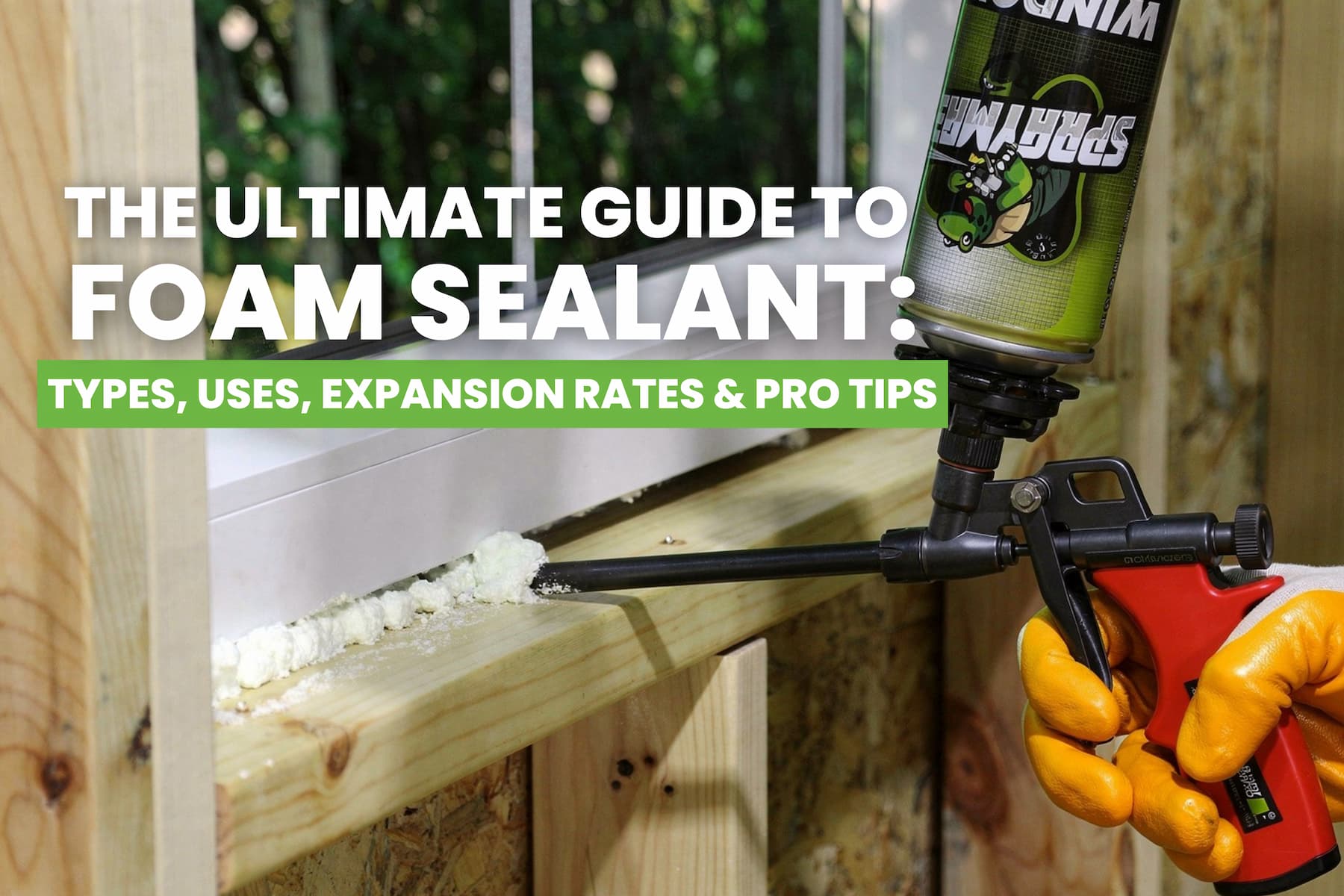
For a deeper understanding of how different foam sealant types behave under various conditions, including expansion rates and use-case limitations, refer to "The Ultimate Guide to Foam Sealant: Types, Uses, Expansion Rates & Pro Tips".
Step-by-Step: How to Seal Windows Effectively
Follow these steps to ensure your window insulation low expansion foam performs at its peak.
1. Preparation and Cleaning
Adhesion is everything. Remove old, brittle window sealant using a putty knife. Wipe the area with a damp cloth to remove dust and grease.
2. Applying the Window Foam
When using low expansion spray foam, the goal is "fill, don't overfill."
- Shake the Can: Shake for at least 30-60 seconds to mix the prepolymers (according to manufacturer instructions).
- The 50% Rule: Fill the gap only about 50% full. The window and door foam will expand to fill the rest of the cavity.
- Direction: Apply from bottom to top to allow the foam to support itself as it cures.
3. Trimming and Finishing
Once the window foam is tack-free (usually 30–60 minutes), use a sharp blade to flush-cut any excess. Finally, apply a bead of window sealer over the joint for a clean, paintable finish.

The step-by-step video below demonstrates the full window and door sealing process with low expansion spray foam, from preparation to a clean, professional finish.
Specialized Tips for Sealing Doors
Doors are high-traffic areas that require durable solutions.
- Door Thresholds: If you are wondering how to seal the gap between the door threshold and concrete, use a combination of backer rod and a heavy-duty polyurethane sealant.
- Uneven Gaps: For those learning how to seal uneven gaps under the front door, an adjustable door sweep combined with low expanding foam in the side jambs is the most effective solution.
Common Mistakes to Avoid (The "Expert" Checklist)
- Using High-Expansion Foam: Never use "Gaps & Cracks" (high expansion) on windows. It can exert enough pressure to warp the frame, making the window impossible to open. Always verify the label says window and door foam.
- Blocking Weep Holes: Never seal the small drainage holes at the bottom of vinyl window frames. This causes water to back up into your walls.
- Skipping the Primer: On porous surfaces like brick or old wood, a quick wipe-down or primer helps the window spray foam bond permanently.
Selecting the Right Low-Expansion Foam Based on Installation Conditions
Using the correct application technique prevents damage, but choosing the right type of low-expansion foam based on where and under what conditions you are sealing is just as critical for long-term performance.
For Standard Indoor Window and Door Installations
In controlled indoor environments where temperature and humidity remain relatively stable, a precision-focused low-expansion foam is the most practical choice. This type of foam allows for accurate dispensing, predictable expansion, and strong adhesion without placing stress on window or door frames. It is best suited for everyday residential and light commercial installations where consistency and clean application are key.
For Exterior or Temperature-Variable Applications
Projects exposed to outdoor conditions or temperature fluctuations require a formulation designed to remain stable during curing. In these scenarios, a more advanced low-expansion foam helps maintain dimensional control and adhesion even when environmental conditions are less predictable. This makes it ideal for exterior window and door sealing, seasonal installations, or jobsites where standard foams may underperform.
Final Thoughts
Achieving professional window sealing results is entirely possible for the average homeowner with the right materials. By choosing a dedicated window sealer and the correct low expansion spray foam, you can lower your carbon footprint and increase your home's comfort in a single afternoon.
Ready to stop the drafts? Browse our Professional Grade Low Expansion Foams and get the same tools the pros use!
Frequently Asked Questions (FAQ)
Does sealing windows reduce outside noise?
Yes! Using a dense, low expansion spray foam creates an acoustic barrier that significantly dampens street noise and vibrations.
How to stop drafts around doors and windows permanently?
The most permanent solution is removing the interior trim and filling the "rough opening" with low expanding foam for windows and doors, then replacing the trim and caulking the edges.
What is the best way to seal old windows?
For old wood windows, focus on the sash pulleys and the weight pockets. Using window foam in these hidden cavities can stop massive amounts of heat loss.


Leave a comment
This site is protected by hCaptcha and the hCaptcha Privacy Policy and Terms of Service apply.